When running a fast-growing e-commerce business, your fulfilment dashboard can make or break your ability to scale. A powerful fulfilment dashboard gives you real-time visibility into orders, inventory, and shipping, helping you spot inefficiencies and make better decisions. Without it, you’re flying blind, and that’s when customer complaints, missed sales, and costly mistakes pile up.
In this article, we’ll explore the 8 must-have features in a fulfilment dashboard and how you can use the data to optimise your operations, cut costs, and grow your business with confidence. Whether you’re selling through Shopify, Amazon, or your own store, understanding what to look for in your dashboard is key to unlocking scalable fulfilment.
Why Your Fulfilment Dashboard Matters
A fulfilment dashboard isn’t just a reporting tool, it’s the command centre of your logistics. Think of it as your real-time window into your supply chain. From incoming orders to warehouse stock levels, carrier performance, and customer delivery times, the right dashboard connects all the dots.
Here’s why it matters:
- It saves you time by consolidating everything into one view.
- It reduces errors by highlighting bottlenecks before they become costly.
- It empowers smarter decisions, whether it’s restocking inventory or renegotiating carrier contracts.
- Most importantly, it improves customer experience, because faster, accurate fulfilment leads to happier, loyal buyers.
Now let’s dive into the 8 essential features you should demand in any fulfilment dashboard, and how to use them to scale your business.
1. Real-Time Order Tracking and Status Updates
Why It Matters
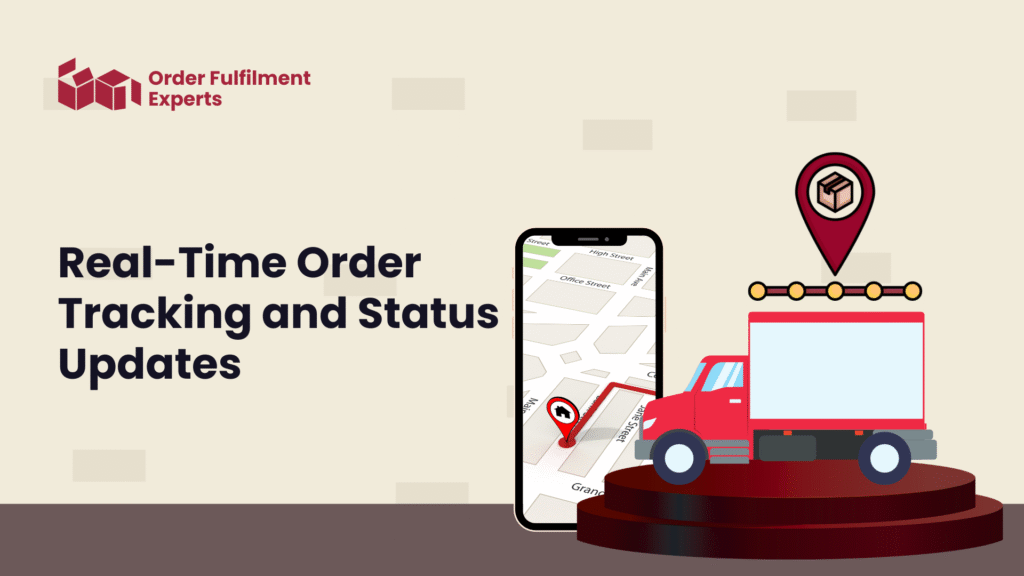
One of the biggest frustrations for e-commerce owners is not knowing where an order stands. A fulfilment dashboard with real-time order tracking ensures you can see exactly what’s happening, whether an order is pending, picked, packed, or shipped.
How to Use the Data to Scale
- Spot delays early: If multiple orders are stuck at the “picking” stage, you know it’s time to optimise workflows or add staff during peak times.
- Track delivery performance: See which carriers consistently miss delivery windows and consider switching.
- Boost customer trust: Use the data to proactively update customers, reducing “Where is my order?” queries.
2. Inventory Visibility Across All Channels
Why It Matters
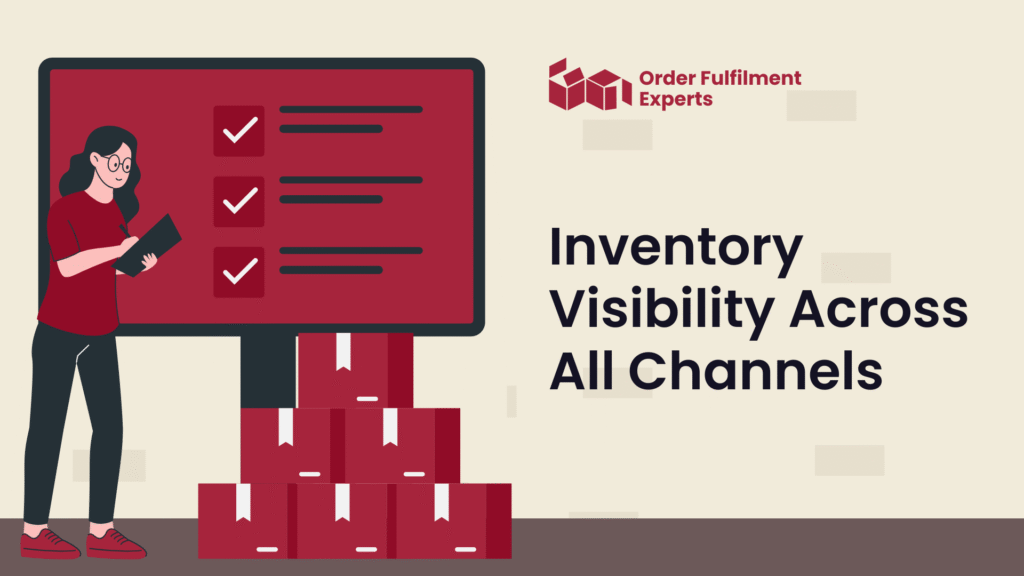
Stockouts can kill sales. Overstock drains cash flow. A fulfilment dashboard with real-time inventory visibility helps you strike the perfect balance. Even better if it integrates across multiple channels (Shopify, Amazon, eBay, etc.), giving you a single source of truth.
How to Use the Data to Scale
- Avoid overselling: Sync inventory across all platforms automatically.
- Predict demand: Spot fast-moving SKUs and reorder before they run out.
- Reduce holding costs: Identify slow-moving products and run promotions to clear them.
3. Shipping Performance and Cost Analytics
Why It Matters
Shipping is one of the highest costs in e-commerce. A dashboard that tracks carrier performance and shipping costs helps you identify opportunities to save money without sacrificing speed.
How to Use the Data to Scale
- Compare carriers: See which carriers deliver on time and which cause delays.
- Optimise packaging: Analyse shipping costs by SKU and find ways to reduce weight/dimensions.
- Negotiate better rates: Use your shipping volume data to secure bulk discounts with carriers.
4. Returns Management Insights
Why It Matters
Returns are inevitable in e-commerce, but they don’t have to eat into your margins. A dashboard that includes reverse logistics tracking helps you spot patterns, reduce return rates, and recover more value.
How to Use the Data to Scale
- Identify product issues: If one SKU has a higher return rate, investigate quality or product descriptions.
- Improve customer loyalty: Track how quickly returns are processed, customers love a smooth experience.
- Minimise waste: Spot items that can be restocked instead of written off.
5. Customer Experience Metrics
Why It Matters
Your fulfilment dashboard isn’t just about operations, it’s also about customer happiness. Look for features that track delivery times, complaints, and satisfaction ratings linked to orders.
How to Use the Data to Scale
- Track delivery promises: Are customers getting their orders when expected?
- Spot communication gaps: High volumes of customer queries may mean unclear tracking updates.
- Improve retention: Use insights to refine your fulfilment process and turn first-time buyers into repeat customers.
6. Low-Stock Alerts and Forecasting
Why It Matters
Nothing hurts more than a product going viral only to sell out. A fulfilment dashboard with low-stock alerts and forecasting tools ensures you’re always ahead of demand.
How to Use the Data to Scale
- Act fast on low-stock alerts: Reorder before running out of bestsellers.
- Forecast seasonal demand: Use historical sales data to prepare for Q4 or special campaigns.
- Optimise cash flow: Invest in the right SKUs instead of tying up capital in slow movers.
7. Integration with Sales Platforms and Carriers
Why It Matters
The last thing you need is to manually update orders across systems. A fulfilment dashboard should seamlessly integrate with your sales platforms and carriers, syncing everything automatically.
How to Use the Data to Scale
- Eliminate manual errors: Orders flow directly from Shopify, Amazon, or WooCommerce into your fulfilment system.
- Speed up order processing: No more copy-paste between platforms.
- Gain a holistic view: Get a unified picture of sales, fulfilment, and customer experience.
8. Customisable Reporting and Analytics
Why It Matters
Every business is different. A fulfilment dashboard with customisable reporting and analytics lets you focus on the KPIs that matter most to you.
How to Use the Data to Scale
- Track profitability: Monitor fulfilment costs per order to see true margins.
- Identify bottlenecks: Build custom reports to track specific workflows.
- Support strategic decisions: Use the data to justify new warehouses, staff, or technology investments.
How to Use Your Fulfilment Dashboard for Growth
Once you have the right fulfilment dashboard in place, the key is not just to look at the data, but to act on it. Here’s how:
- Set KPIs: Define what success looks like (e.g., 95% on-time delivery, <2% return rate).
- Review weekly: Schedule time to check your dashboard and spot trends.
- Automate alerts: Let the system notify you when metrics slip.
- Share insights with your team: Keep everyone aligned, from marketing to operations.
- Adjust strategy quickly: Use data to pivot before small issues snowball.
The result? A leaner, more efficient fulfilment operation that scales as fast as your sales grow.
Final Thoughts: Turning Data Into Growth
A fulfilment dashboard isn’t just a tool, it’s a growth engine. By focusing on the 8 must-have features we’ve covered, you’ll gain the visibility and control needed to cut costs, boost customer satisfaction, and scale with confidence.
At Order Fulfilment Experts (OFEX), we give e-commerce brands a powerful dashboard paired with expert support, so you don’t just get data, you get insights that fuel growth.
Ready to take control of your fulfilment?
Visit us today at orderfulfilmentexperts.co.uk and book a free consultation.
And don’t forget to connect with us on social media for tips, insights, and updates:
- Facebook: OFEX UK
- Instagram: @ofex_uk
- LinkedIn: Order Fulfilment Experts
With the right dashboard and the right partner, scaling your business doesn’t have to feel overwhelming. Let OFEX help you transform fulfilment into your competitive advantage.