Inflation and rising fuel costs are reshaping fulfilment pricing, and every e-commerce business is feeling the pressure. Shipping rates are climbing, carriers are adding surcharges, and warehouse operations are more expensive than ever. For business owners who rely on timely, cost-effective fulfilment, these changes can quickly erode profit margins.
If you’ve noticed your shipping bills creeping up, you’re not imagining it. The impact of inflation on fulfilment pricing combined with rising fuel costs is one of the biggest challenges facing businesses today. The question isn’t if this affects you, it’s how you can adapt without sacrificing service or speed.
In this blog, we’ll break down five hard truths about inflation and fuel costs and what you can do to keep your business profitable, even when costs keep rising.
Why Inflation and Rising Fuel Costs Hit Fulfilment Pricing So Hard
When inflation surges, the cost of everything in the supply chain from packaging to labour increases. Add volatile fuel prices into the mix, and you’ve got a perfect storm that drives up shipping costs.
Why? Because fuel affects every stage of fulfilment. The trucks that pick up your products, the vans delivering to customers, the planes and ships handling international shipments all rely on fuel. When prices spike, carriers pass those costs down to businesses like yours through fuel surcharges and rate adjustments.
Inflation compounds the issue by making labour, packaging materials, and warehouse operations more expensive. In short, it’s not just fuel, it’s everything.
5 Hard Truths About Inflation and Fuel Costs And How They Affect Fulfilment
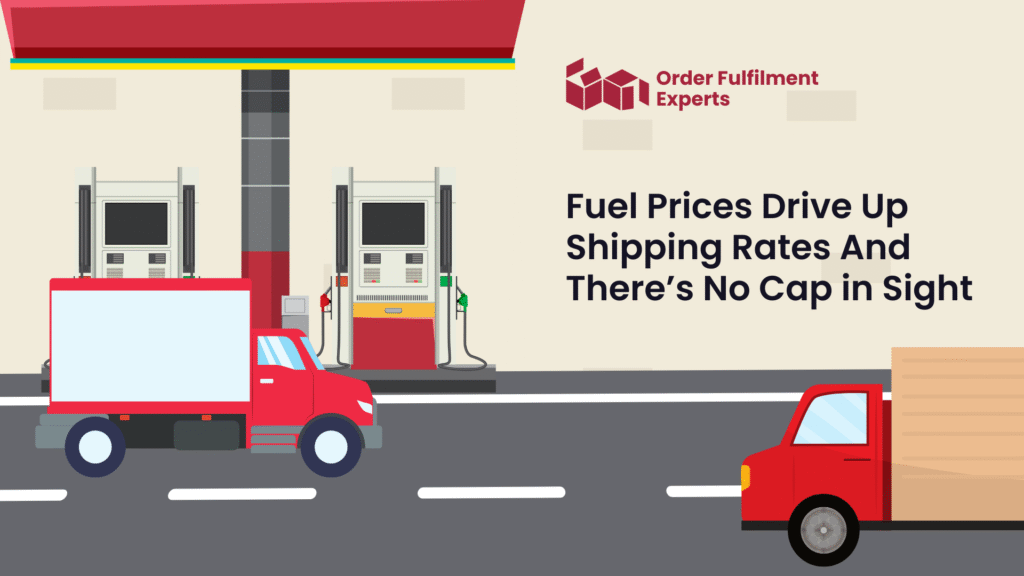
1. Fuel Prices Drive Up Shipping Rates And There’s No Cap in Sight
One of the biggest contributors to rising fulfilment costs is fuel volatility. When oil prices climb, carriers respond with fuel surcharges, which can fluctuate weekly.
For example, many major carriers like DHL, FedEx, and UPS have fuel surcharge tables linked to global oil prices. That means a sudden spike at the pump can immediately increase your shipping bill.
How This Affects You:
- Every delivery, especially last-mile delivery, costs more.
- Expedited and long-distance shipments see the sharpest increases.
- Businesses with free shipping offers absorb even bigger hits.
Pro Tip: Work with a 3PL (third-party logistics provider) like Order Fulfilment Experts (OFEX) that has bulk shipping discounts and strong carrier relationships to keep costs under control.
2. Inflation Pushes Labour and Operational Costs Through the Roof
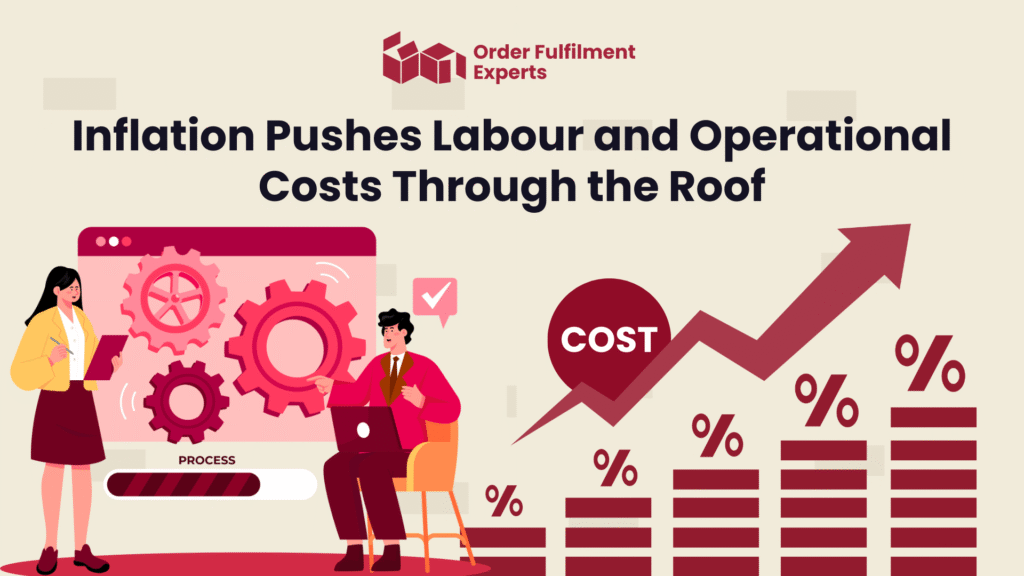
Inflation isn’t just about raw materials, it hits people’s costs, too. As wages rise across the logistics sector, the cost of staffing warehouses, managing inventory, and packing orders goes up.
Carriers are also paying more to retain drivers, warehouse staff, and logistics teams, costs that ultimately get passed down to you.
What This Means for Your Business:
- Expect higher handling fees.
- Peak season surcharges may be even steeper.
- Small businesses without automation feel the pinch most.
Smart Fix: Automate processes where possible, and consider outsourcing to a 3PL like OFEX to avoid ballooning internal labour costs.
3. Packaging Materials Cost More Than Ever
Cardboard boxes, bubble wrap, tape, and even eco-friendly packaging, all cost more when inflation rises. Add in higher transportation costs for moving those materials, and you’re paying more before your products even leave the warehouse.
The Hidden Impact:
- Brands committed to sustainable packaging see costs rise even faster.
- Bulk packaging discounts aren’t as effective when raw material costs soar.
Action Step: Use data-driven packaging optimisation to reduce waste and size. OFEX helps brands minimise costs by using the right-sized packaging for every order.
4. Carrier Rate Increases Are Inevitable And Often Unpredictable
Every year, major carriers announce general rate increases (GRIs). But in times of inflation, these increases can happen multiple times a year. Plus, carriers are introducing new surcharges to cover rising costs of everything from peak delivery to residential delivery fees.
Example: In 2024, FedEx and UPS both announced average rate hikes of 5.9%, but many businesses experienced higher increases depending on package size, zone, and service type.
You can’t predict these hikes, but you can plan for them.
Solution: Use carrier shopping tools or partner with a fulfilment provider that can negotiate rates on your behalf.
5. Returns Are More Expensive in an Inflationary Market
Returns are part of the e-commerce game, but when fuel and labour costs climb, reverse logistics becomes significantly more expensive. Every return means extra shipping, extra handling, and sometimes re-packaging all at today’s inflated rates.
The Risk: A poor returns strategy can wipe out your profits.
The Fix: Streamline returns with automation and branded return portals (OFEX offers these!) to keep costs low and customer satisfaction high.
How to Reduce Fulfilment Costs During Inflation Without Slowing Down
It’s not all bad news, you have options. Here’s how smart brands are fighting back:
1. Consolidate Shipments and Negotiate Rates
Sending products in bulk saves money. A 3PL like OFEX leverages bulk carrier discounts you can’t get alone.
2. Use Distributed Fulfilment Centres
The closer your inventory is to your customers, the less you pay in fuel and last-mile delivery costs.
3. Automate and Optimise
Automation reduces labour costs and improves accuracy, fewer errors mean fewer expensive returns.
4. Choose a Scalable Partner
Inflation is unpredictable. A flexible fulfilment partner helps you scale up or down without locking in high overhead costs.
Why Partnering with OFEX Is the Smartest Move Right Now
When inflation rises, going it alone is the most expensive option. Here’s what OFEX brings to the table:
- Access to Negotiated Carrier Rates- We help you ship smarter and cheaper.
- Strategic Fulfilment Locations- Reduce last-mile costs with optimised distribution.
- Advanced Tech for Cost Control- Real-time analytics and automation keep you lean.
- Returns Management Done Right- Lower costs and keep customers happy.
We absorb the complexity so you can focus on growing your brand.
Don’t Let Inflation and Rising Fuel Costs Eat Your Profits
Inflation and fuel price hikes aren’t temporary, they’re the new normal. But you don’t have to let them control your business. The brands that survive and thrive are the ones that adapt early and make smart decisions about fulfilment.
Partner with Order Fulfilment Experts (OFEX) and protect your margins while delivering an exceptional customer experience.
Book a consultation today: https://orderfulfilmentexperts.co.uk/
Stay connected with us:
- Facebook: OFEX UK
- Instagram: @ofex_uk
- LinkedIn: Order Fulfilment Experts