
Ask a founder what order fulfilment used to cost them and they rarely start with money.
They start with a routine.
Michelle Squire from Masterplan described hers to me. At the end of every day, she and a colleague spent an hour working out who’d signed up, which welcome packs needed to go out and who’d moved on through the programme. Then they picked and packed from racking in a cupboard, stuffed the envelopes, bought the stamps and stuck them on. Then her colleague walked the lot to the post office.
Every single day.
The cost nobody puts on a spreadsheet
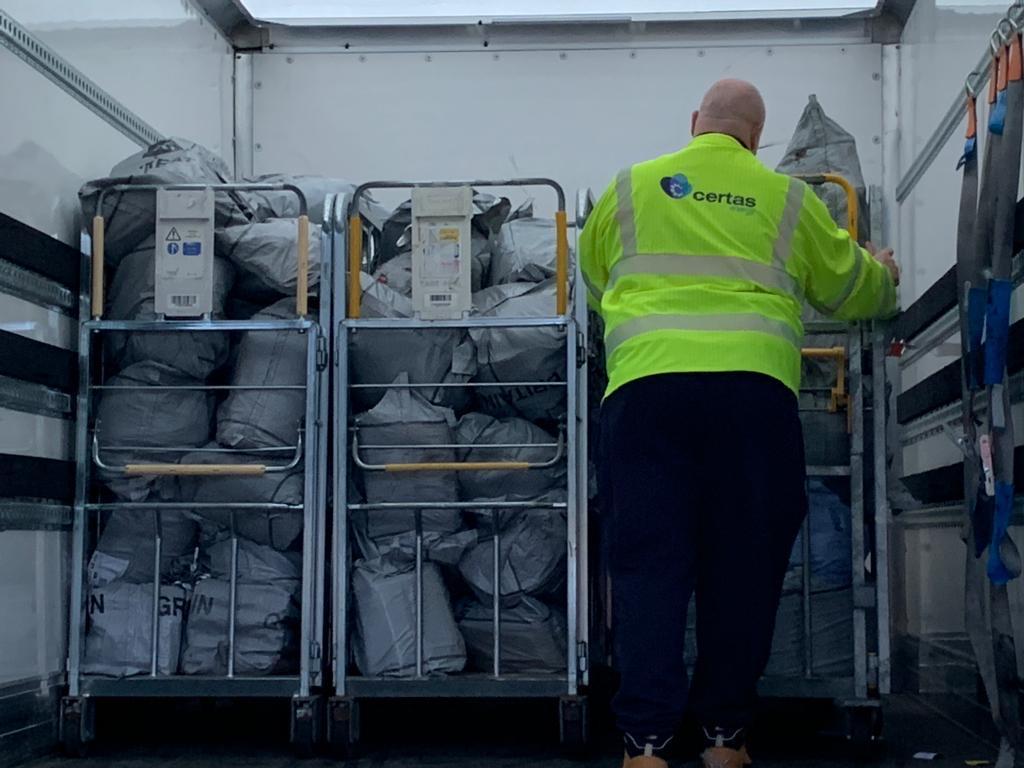
Michelle runs a time audit with her own customers early in her programme. When she finally ran it on her own business, it showed around four hours a week going on picking, packing and envelope stuffing. Her colleague was spending the same again.
Four hours a week sounds manageable. That’s the trap. It’s 16 hours a month, two full working days, and double that across the two of them. Not one minute of it grew the business, and all of it had to happen whether anyone felt like it or not.
Small routines are easy to underestimate precisely because each one feels fine on its own. Added together, they’re often the biggest thing standing between a founder and the next stage.
Then growth turned up
Her business started taking on around 40 new customers a month, on top of an existing customer base whose packs still needed sending. The cupboard didn’t get any bigger. The days just got longer.
Her advice to other founders is blunt, and I agree with every word of it: “You can’t do it all. It’s not okay to be working 16, 17 hour days. You’re not good to anyone.”
The handover
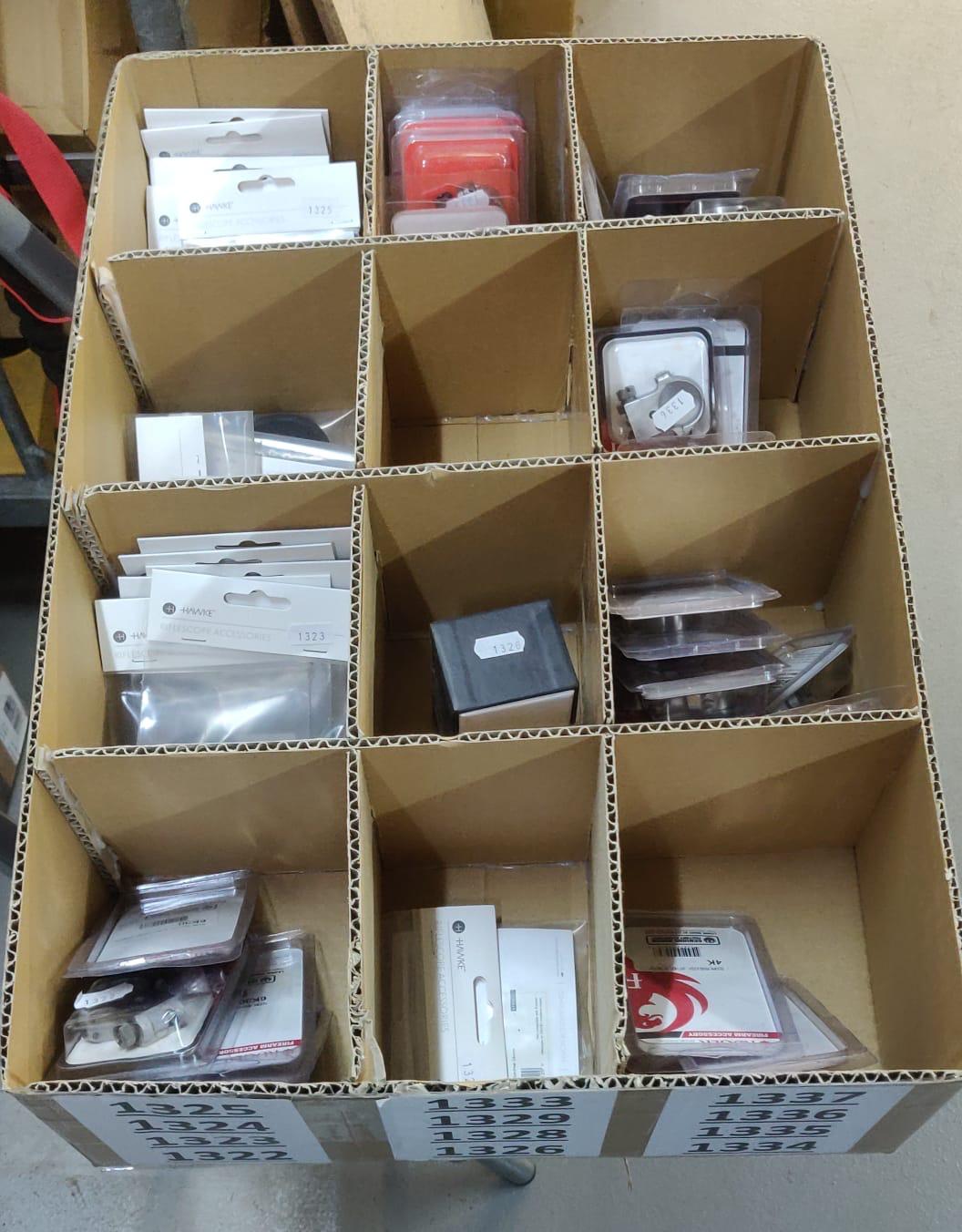
Michelle was honest that she was meticulous during the handover. Controlling, even. It was her reputation going out in those envelopes, so of course she was.
I’d always rather work with a founder like that. The detail she put in at the start is exactly why there were so few teething problems. Her customers now get their material quickly and consistently, and her team no longer think about it at all.
As she put it: “Nobody has to go in and say, send this pack. It’s all done through a system.”
No reminders. No chasing. Nobody downing tools to get the post out before the last collection.
What she did with the time back
This is the part I find most interesting, because no spreadsheet would have predicted it.
Michelle used the hours she got back to build something she’d been putting off for ages: a welcome day for new customers. She’s seen it make a real difference to retention right through their time with her.
So the case for handing over order fulfilment was made on hours and cost. The return showed up somewhere else entirely, in customers staying longer. That’s the bit most founders miss. A welcome pack isn’t admin. It’s the first physical moment of a customer relationship, and when it’s handled properly, it frees you to make the rest of that relationship better too.
The only regret
When I asked Michelle if she’d do anything differently, she laughed. “I wish I’d done it two years prior. But of course, shoulda, woulda, coulda.”
I hear that line more than any other from founders who’ve made the move. It’s always said with the same mix of relief and mild frustration.
If you’d like to find your own two days, try Michelle’s exercise this week. List the routines that keep you busy but don’t move the business forward. Add up the hours. Multiply by four. Then decide whether that’s where you want them to go.
Curious where your own order fulfilment stands? Take the three-minute Scorecard: https://orderfulfilmentexperts-w.scoreapp.com
Thank you, Michelle.
Order fulfilment is what we do. Brand experience is what we deliver. Seven days a week.